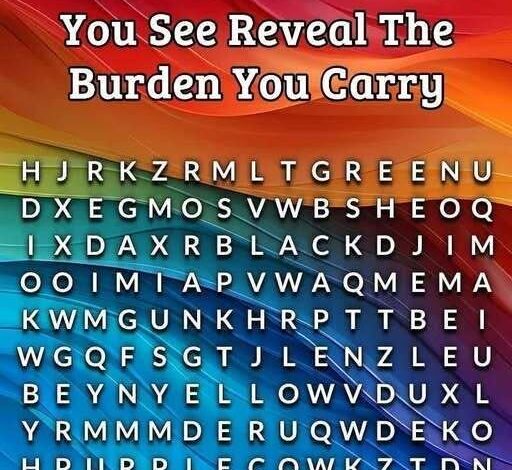
Colors are often treated as simple aesthetic choices, but they can also reflect subtle shifts in mood, stress, and emotional needs. While not a precise science, many psychologists and designers note that people tend to gravitate toward certain colors during specific emotional periods.
A sudden attraction to bold colors like red may coincide with feelings of intensity, motivation, or a desire to be seen and heard. Softer tones, such as blue, are often associated with calmness and may appeal more during periods when rest, stability, or emotional distance feels necessary. Meanwhile, purple is frequently linked to transition and reflection, appearing during times of change, uncertainty, or personal reinvention.
Color avoidance can also be meaningful. Stepping away from bright or saturated tones may reflect a desire for simplicity or emotional withdrawal, while resistance to lighter shades like white can sometimes align with feelings tied to endings or difficulty starting anew.
Although these patterns are not universal or deterministic, they highlight how closely human perception and emotion can interact with visual environments. Paying attention to which colors feel comforting—or overwhelming—can offer small but useful clues about inner states that are not always easy to articulate directly.